
Less Screen Time. More Time for Something You Enjoy.
You pick up your phone to check one thing. A little later, you are still scrolling and the evening has moved on.
Sometimes it helps to have something else within reach. A book on the table. A few pencils. A subject you already enjoy.
Colouring offers a practical way to spend a little time making something. You choose the page, the colours and how long you want to stay with it.
Start with an interest you already have
You do not need to decide that you are an artist. You might simply like motorcycles, American muscle cars, historic aircraft or steam engines.
An illustration gives you a reason to look more closely at a familiar subject. You notice the shape of a mudguard, the line of a wing or the way a locomotive's wheels fit together.
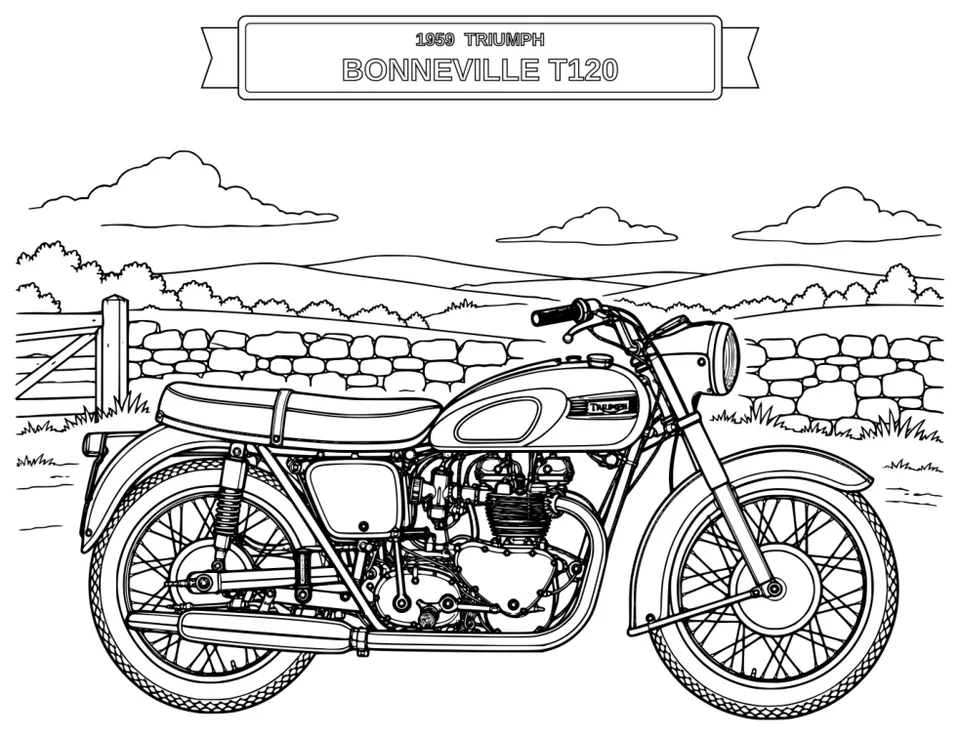
Legends in Line Art brings those interests into four physical colouring books. Each combines subjects to colour with histories and technical profiles, supported by a companion website.
Make starting easy
Keep the book and pencils somewhere convenient. If everything is packed away in a cupboard, it is another job to begin.
Choose a small section before you sit down. You might spend a few minutes on a tank, a door panel or an aircraft marking. Stop when you have had enough.
You can leave the page unfinished and come back to it tomorrow. The point is to make space for an activity you enjoy.
Let your own taste lead
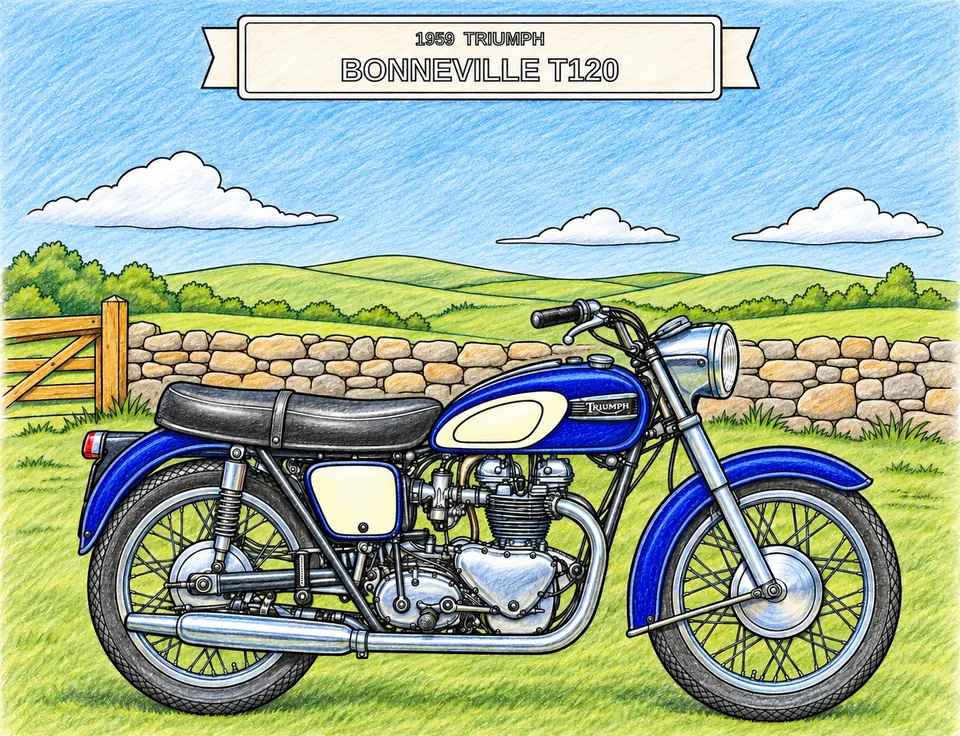
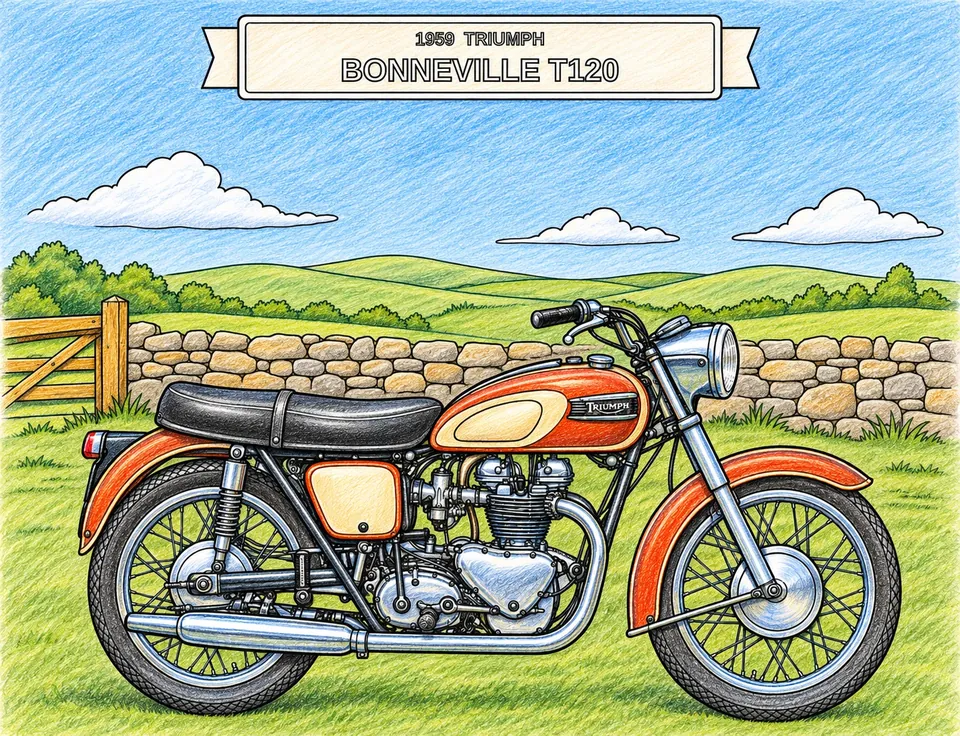
Some evenings you may want to follow a reference photograph. On another day you might choose an entirely different paint scheme.
A favourite colour is a good enough starting point. Try a light layer, look at the result and decide what to add next.
The companion website offers colour interpretations and practical guides when you want ideas. You can consult a reference, then put the device aside and carry on with the page.
Give the hobby a place in your week
Try keeping a short window free after dinner or on a quiet weekend afternoon. Put the phone somewhere less convenient if you want to avoid reaching for it automatically.
There is no streak to maintain and no need to turn every session into a finished piece. Some days a small patch of colour will be enough. On other days a subject may hold your attention for longer.
If you enjoy sharing the results, show someone a page you are working on. Ask which colour they would choose next or compare the machines you recognise.
Choose a subject worth coming back to
The best first book is the one that makes you want to open it again.
Choose Iconic Motorcycles for classic bikes, American Muscle Cars for bold automotive shapes, Fighters of World War II for aviation history or Age of Steam for locomotive engineering.
More than a colouring book. Less screen time. More focus, creativity and reflection.
Coloured references are inspiration for your own work. They are not pre-coloured pages in the books. Colouring stages and alternative finishes are digitally illustrated examples.