
Four Ways to Explore Legends in Line Art
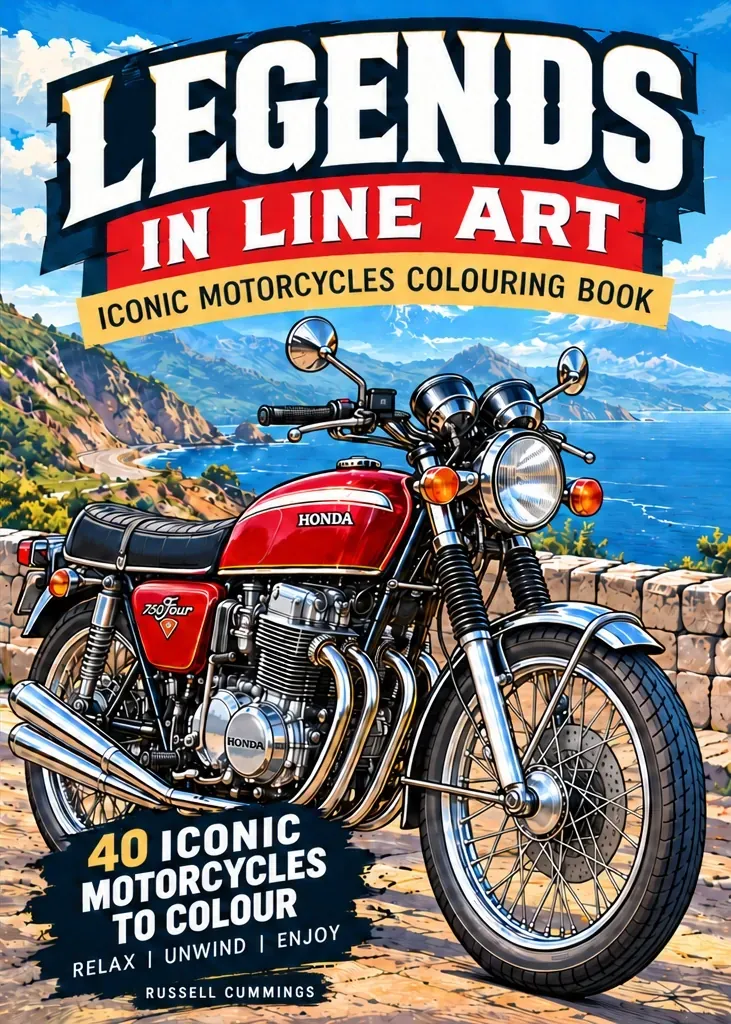
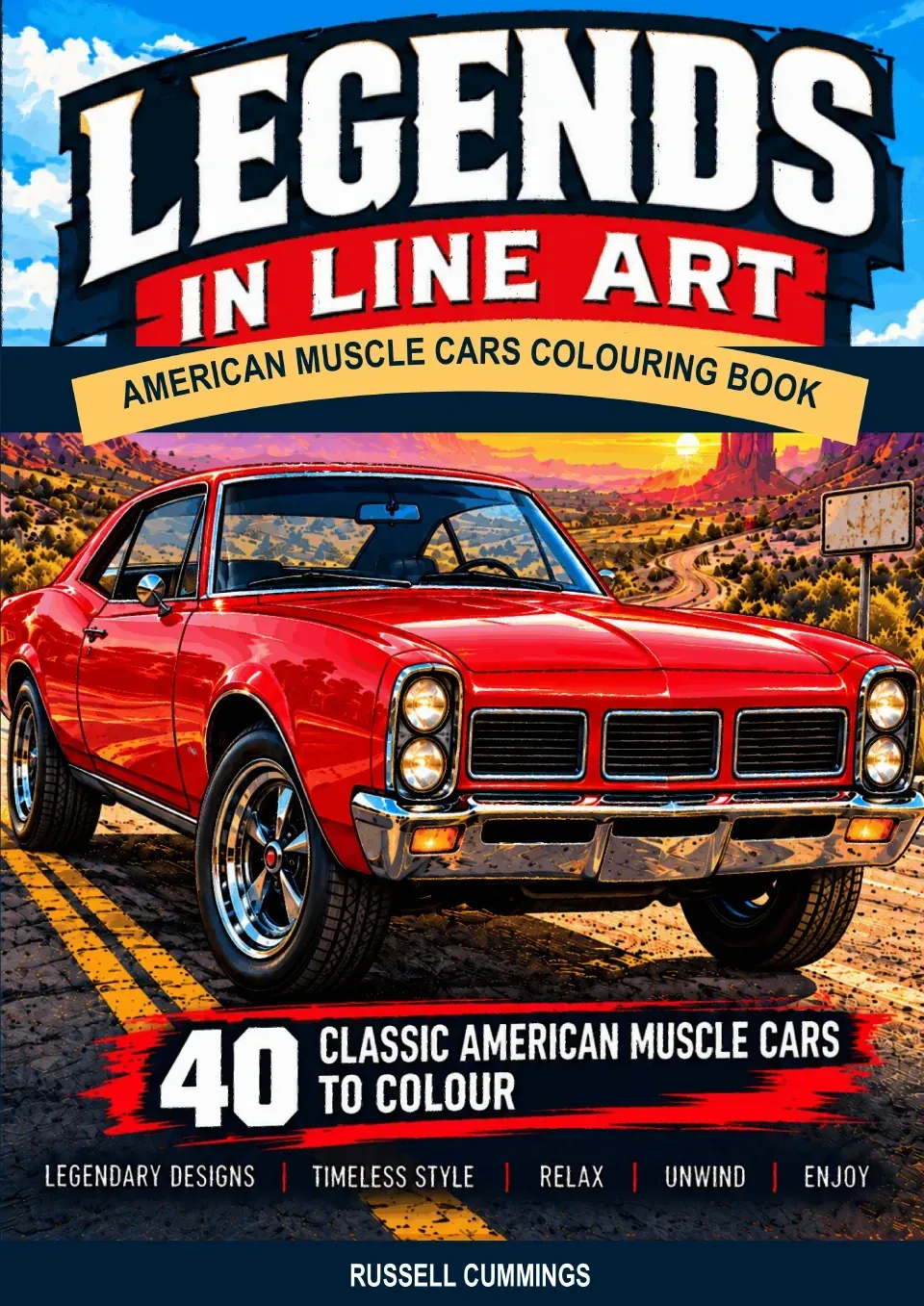

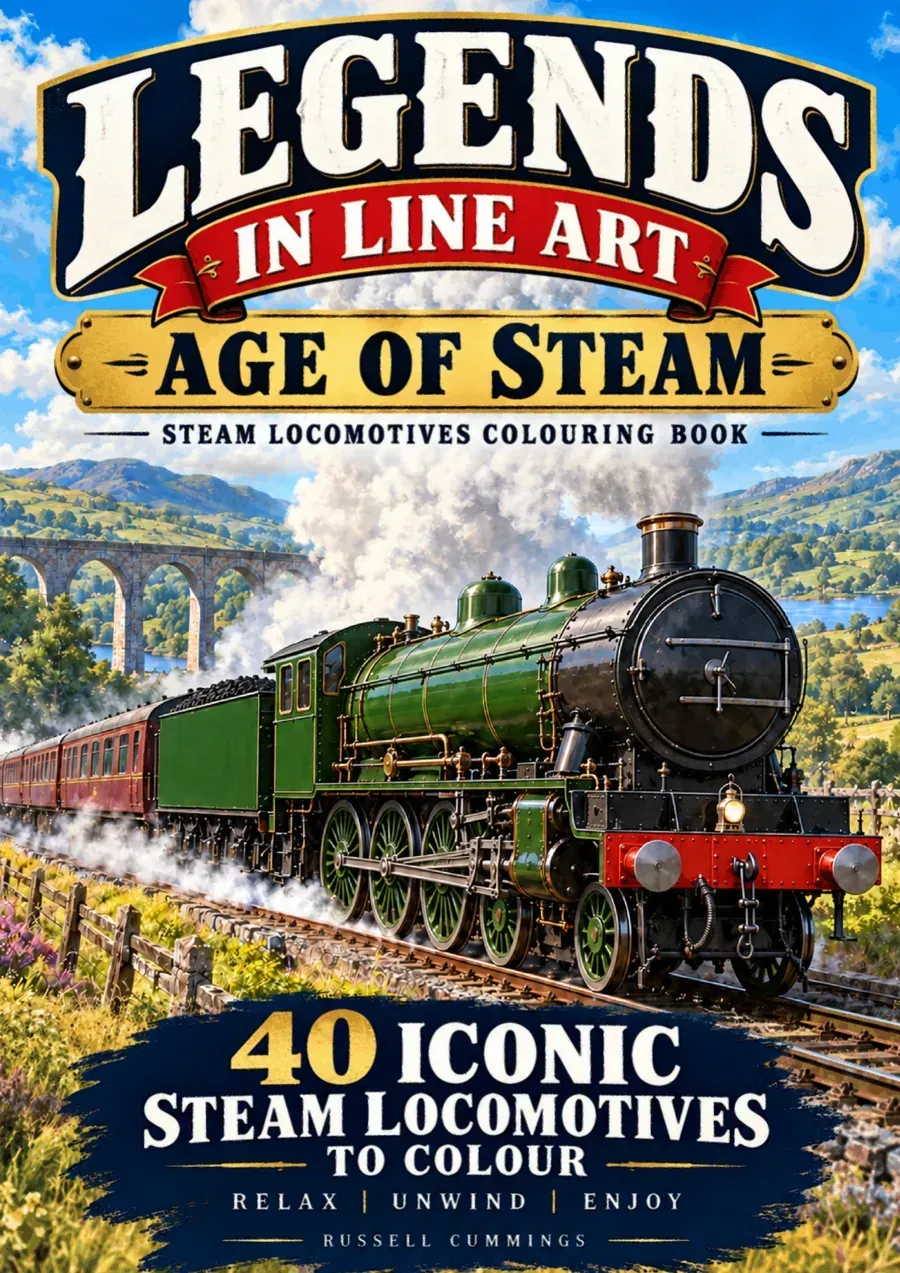
What makes you stop and look? A classic motorcycle outside a cafe? A muscle car at a weekend meet? An aircraft in a museum? A steam locomotive arriving at a heritage station?
Legends in Line Art starts with that curiosity. The collection gives you four ways to explore the machines you enjoy through illustrations to colour, histories and technical profiles.
Each book features forty subjects and has a companion website for further inspiration. Here is how to choose your starting point.
1. Explore the character of iconic motorcycles
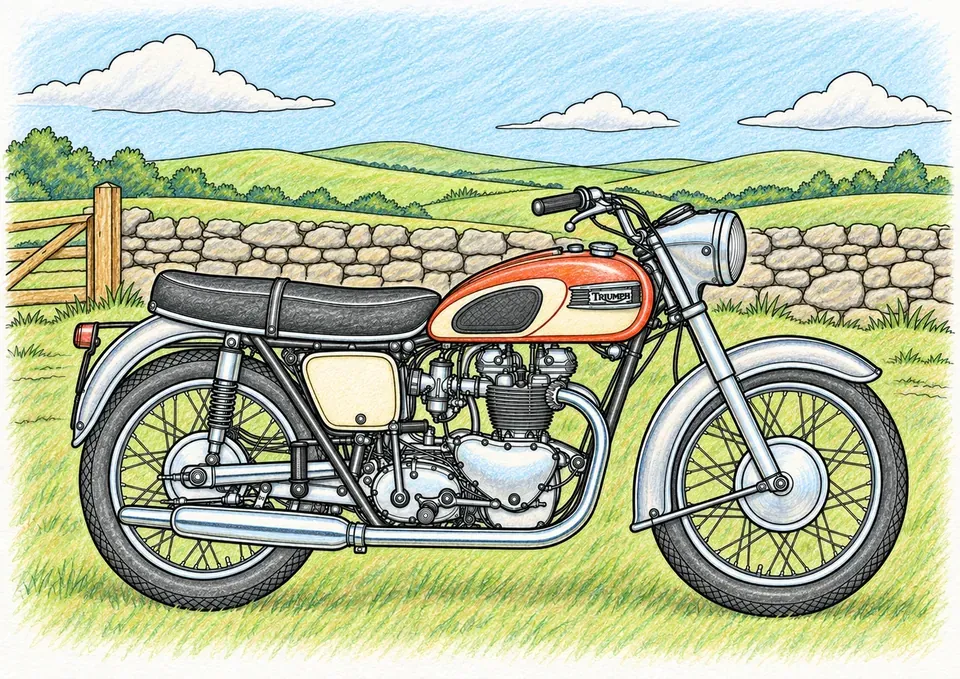
Motorcycles put their engineering on display. Tanks, engines, wheels and exhausts give each machine a distinctive character.
Iconic Motorcycles Colouring Book lets you spend time with those details. Try a familiar finish or imagine a different look for a machine you recognise.
Start with a tank or mudguard if you want a manageable first section. The companion guides offer reference ideas and colouring inspiration as you work.
2. Make American muscle your own
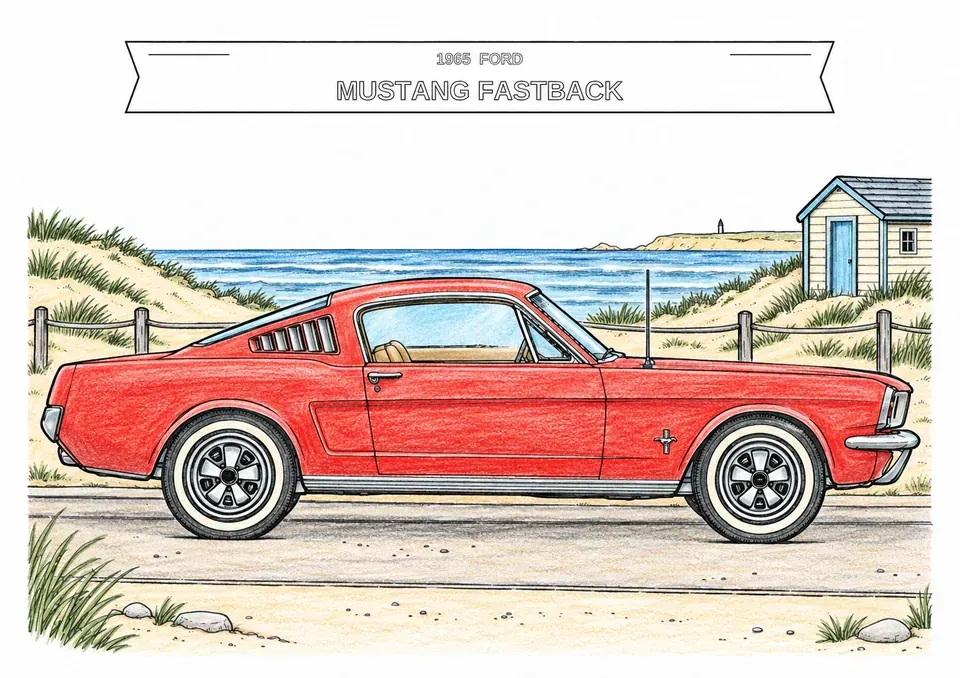
Long bonnets, bold panels and distinctive profiles make muscle cars inviting subjects for colour.
American Muscle Cars Colouring Book gives you forty cars to explore. Follow a period-inspired finish or choose a shade that suits your own taste.
If you want to experiment, body panels provide room to practise light layers and shading. Chrome details offer another way to explore highlights and reflections.
3. Look closely at World War II fighters

Aircraft enthusiasts often recognise a machine from its outline before they notice its markings.
Fighters of World War II Colouring Book invites you to explore forty fighters through their shapes, details and histories.
Use the companion references as a starting point for colour choices. If you are aiming for a particular historical aircraft, check suitable photographic references for that version and period.
See the fighter aircraft book.
4. Discover the details of steam locomotives
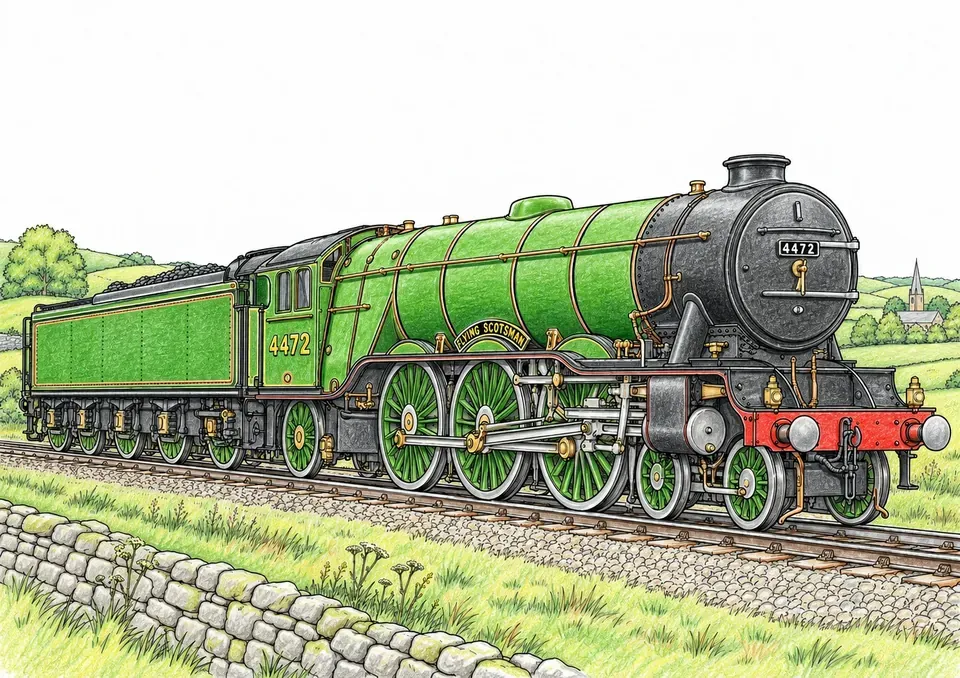
Steam locomotives reward a closer look. Wheels, connecting rods and pipework give you plenty of detail to explore at your own pace.
Age of Steam: Steam Locomotives Colouring Book brings together forty locomotives with illustrations, histories and technical profiles.
Choose a small section for your first session. Use the online colour interpretations when you want inspiration for the next part.
See the steam locomotive book.
One collection, your choice of starting point
Pick the book that matches an interest you already have. You can begin with a few coloured pencils and return to a page whenever you have a little time.
The companion website supports the physical books with galleries and practical guides. Its finished colour interpretations are inspiration for your own work. They are not pre-coloured pages in the books.
Buying a gift? Start with the subject the recipient talks about most. Add a set of pencils if you want to make it easy to begin.
Explore all four books at colouringbooksformen.com.
Coloured references are inspiration for your own work. They are not pre-coloured pages in the books. Colouring stages and alternative finishes are digitally illustrated examples.